
Article· Cash Flow
Granny Flats as a Source of Income
4 July 2026 · 2 min read
Building a granny flat can turn unused yard space into an additional rental income stream.
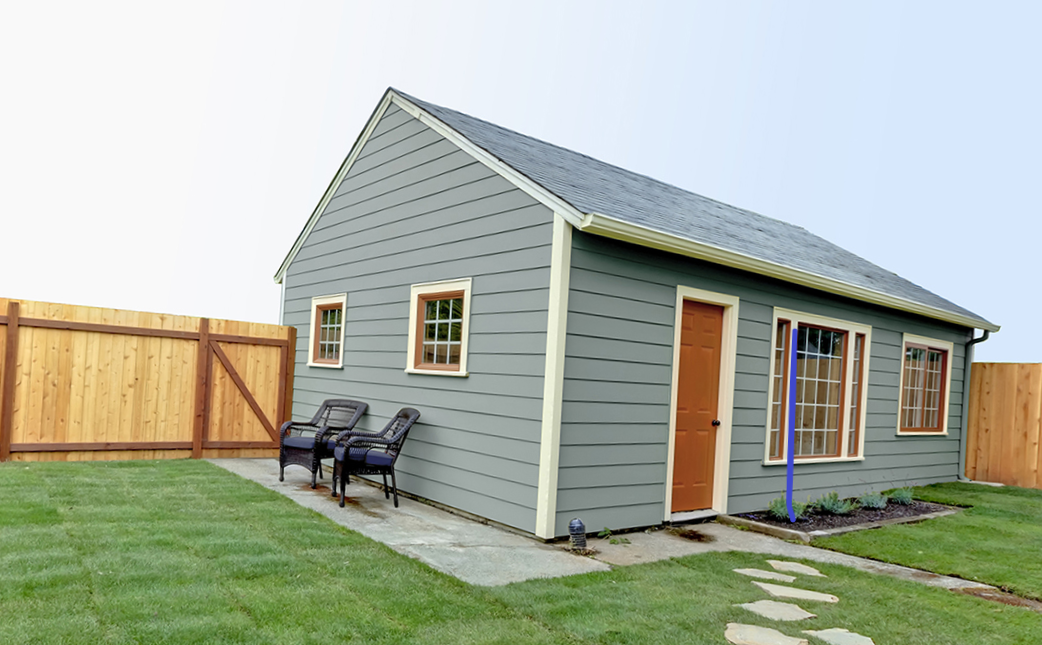
Granny Flats as a Source of Income
If you have property with surplus land that is not in use, considering a granny flat could be a suitable strategy. Many Australians do not realise they could generate extra income by renting out these small flats right from their backyard or behind an existing rental property.
1. Renting Them
Renting out a granny flat may help with a retirement strategy or build additional income streams. For an investor with multiple properties that have space for granny flats, constructing them offers the potential for two income streams from one property.
Constructing a granny flat generally costs significantly less than building a standalone house due to its size and existing land ownership, making it a cost-effective way to build rental income.
2. Business Use
Business owners often pay substantial rent for commercial premises; however, a granny flat can serve as a private workspace or office. Setting up an office on the property can reduce external rent expenses.
3. Leisure
Another option is transforming a granny flat into a leisure space, such as a gym or sauna for clients. While it requires an initial layout of capital, cash flow from customers can make it a viable investment.
4. Adding Value to Your Property
A house with a granny flat may sell for more than one without, appealing to investors looking to maximise income or buyers seeking multi-generational living. However, granny flats do not always add value equal to their construction cost, as buyers who do not need a flat may not pay extra for it. In areas where granny flats are common or near universities, they can deliver strong results.
The Bottom Line
Granny flats have become a popular property strategy for generating income and making better use of land.
Instead of maintaining unused lawn space, converting it into a source of income can support long-term financial goals.
Building legislation varies, so consulting with local council guidelines and a registered builder before starting construction is recommended.